SEAAPACIDTHVNMYSGAir travel

Southeast Asia Air Travellers and Cabin-Bag Fees 2026: Why Transparent All-In Fares Beat Gate Fees

Simulated short-haul travellers across Southeast Asia and Asia-Pacific rank transparent all-in fares first and gate cabin-bag fees last, yet most still book the cheapest fare. Airlines and OTAs should make all-in or bag-included fares the default, retire gate fees, and keep the included-bag premium modest.

Last updated
Statistics
38
By
Preferences AI Research
Evidence mix:Secondary source3PAI simulation · directional35
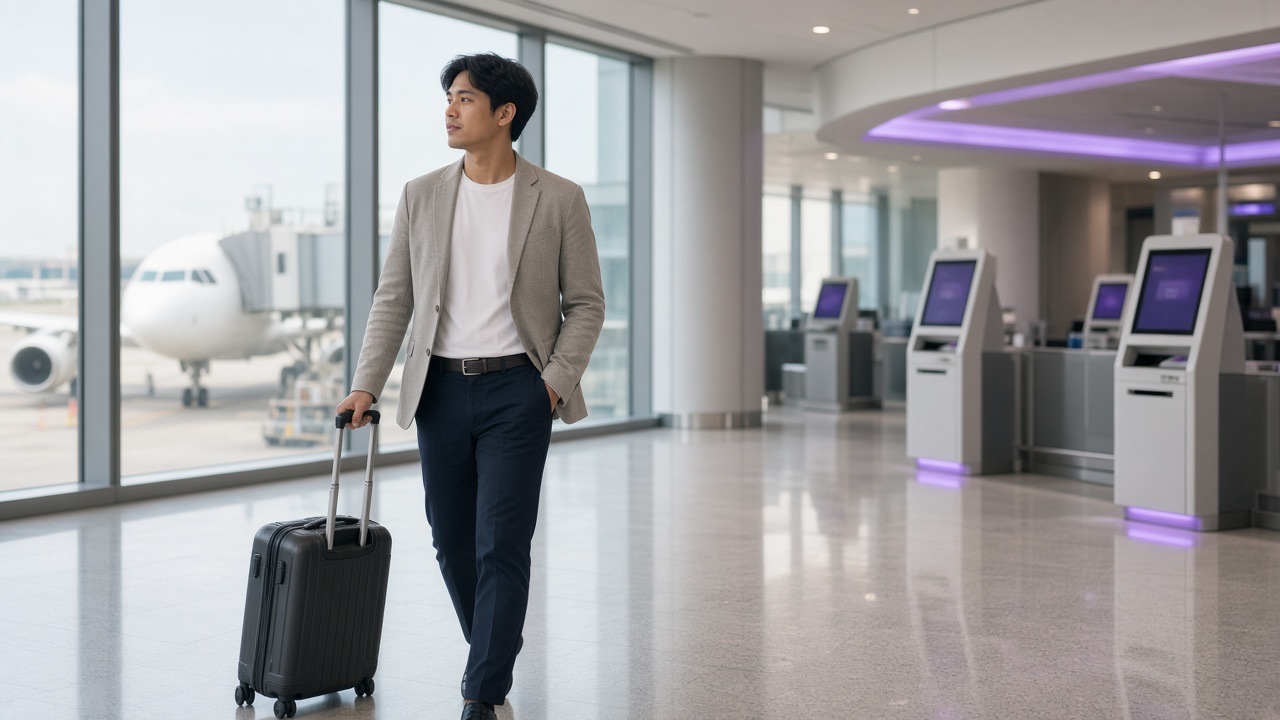
A traveller wheels a compact cabin suitcase past self-service check-in kiosks in a bright Southeast Asian airport departure hall, with a short-haul aircraft at the gate behind him.

Key takeaways

  • Transparent all-in fares (cabin bag, seat and check-in shown upfront) ranked first on simulated purchase intent (3.50 of 5) and credibility (4.47 of 5).
  • Gate-surprise cabin-bag fees ranked last on every measure: only 4.9% gave them a top-two score and 1.4% would book them next.
  • The wallet still wins at checkout: 62.7% would book the ultra-cheap underseat-only fare next, mainly because of the price gap (68.1%).
  • 81.8% want all-in or bag-included to be the default fare, and 79.0% prefer a fee disclosed at booking to a gamble at the gate.
  • Premium tolerance is modest: 54.3% would accept up to about 10% more for an included cabin bag, against 1.4% at the 30–40% typical of all-in bundles.
  • Showing the total trip cost side by side is the strongest lever (73.1%); a “bag included” badge alone moves few travellers (5.3%).

Figures marked PAI simulation · directional are simulation outputs, not census or survey estimates. How we label data.

Why are cabin-bag fees a pressing issue for Southeast Asian air travellers in 2026?

Unbundling has moved from optional extras to the cabin bag itself, and regional carriers are watching.

Short-haul base fares across Southeast Asia increasingly exclude services travellers once took for granted, such as seat selection, counter check-in, phone bookings and baggage, on busy routes linking Singapore, Kuala Lumpur, Bangkok, Jakarta and Manila. In August 2026 Jetstar went further, announcing that from February 2027 its lowest fares will include only a small underseat bag, with overhead-locker space sold separately.

For airlines and online travel agencies (OTAs), the question is no longer whether to unbundle but how far, and how to present the fare so that travellers trust it. To answer it, we tested five ways of packaging the same short-haul fare with a simulated panel of Southeast Asian and Asia-Pacific travellers, then ran a nine-question follow-up survey on why they chose as they did.

10fees

Secondary source

A Malay Mail report citing AirAdvisor listed 10 airline fees catching South-east Asian travellers off guard, including seat selection, counter check-in, phone bookings and baggage add-ons.

Source: Malay Mail (citing AirAdvisor), 21 April 2026

A$25–52per bag

Secondary source

Jetstar plans to include only an underseat bag in its lowest fares from February 2027 and to charge about A$25–52 (about US$18–37) for a larger cabin bag in the overhead locker.

Source: Reuters, 5 August 2026
Secondary source

Analysts described Jetstar’s overhead-locker charge as an “extreme” form of unbundling that rival Asia-Pacific airlines may study.

Source: South China Morning Post, 6 August 2026

Which way of packaging a short-haul fare do travellers prefer?

Transparent all-in fares win on every measure; charging for cabin bags at the gate loses on every measure.

The simulated panel scored five packages for the same short-haul trip on purchase intent, relevance, uniqueness, credibility and ease of use, each on a 1–5 scale.

Fare packageWhat the traveller getsPurchase intentTop-two scoreCredibilityEase of use
Transparent all-inCabin bag, seat and check-in shown upfront; about 30–40% above the cheapest fare3.5056.4%4.474.12
Full-service styleBag and basics included; higher base fare than low-cost carriers3.2246.8%3.823.53
Mid fare, bag includedOne overhead cabin bag; about 15–25% above the cheapest fare3.1542.0%3.543.31
Ultra-cheap, underseat bag onlyLowest headline; larger cabin bag about US$18–37 extra at booking2.5920.6%2.802.30
Cheapest headline, gate feeUnclear bag rules online; about US$25–50 or forced check-in at the gate2.044.9%1.901.22

Exhibit 1. Scores by fare package. Preferences AI simulation, fare-packaging product test; directional, not a survey of real travellers.

Three findings stand out. First, clarity beats cheapness when travellers judge the offer itself: the all-in package led purchase intent by 0.28 points over the runner-up and was the only one rated highly credible. Second, the gate-fee package is not a near-miss; its credibility and ease-of-use scores are the lowest in the test. Third, travellers respect full-service packaging but do not prefer it to a low-cost fare that is simply honest about what it includes.

Before running the test, we set a condition for rejecting our hypothesis: if either the underseat-only or the gate-fee package led on purchase intent, transparent packaging would be judged the loser. Neither did.

Note on simulated figures: Directional output from a Preferences AI Digital Population, not a survey of real travellers. Methodology

If travellers prefer all-in fares, why do most still book the cheapest one?

At the point of purchase, the size of the price gap outweighs the preference for clarity.

When the same simulated panel was asked which fare they would actually book next after hearing about overhead-bag charges, most chose the ultra-cheap underseat-only fare and about a quarter chose transparent all-in. Almost no one chose the gate-fee option.

The driver is price, not a taste for surprise fees. Asked why someone would still pick the underseat-only fare, more than two-thirds pointed to the gap between it and the all-in or bag-included price; only about one in ten said they could genuinely travel with an underseat bag alone.

This is a wallet paradox rather than a contradiction. Travellers reward all-in packaging when they evaluate it, then default to the lowest headline when the premium looks too large. The implication for operators is to close the gap, not to abandon clarity.

StatisticValueSource

Asked which fare they would book next after hearing about overhead-bag charges, 62.7% of simulated respondents chose the ultra-cheap underseat-only fare.

62.7%Source: Preferences AI simulation: traveller survey, 29 September 2026

25.8% of simulated respondents said they would book the transparent all-in fare next.

25.8%Source: Preferences AI simulation: traveller survey, 29 September 2026

Only 1.4% of simulated respondents said they would book the gate-fee fare next.

1.4%Source: Preferences AI simulation: traveller survey, 29 September 2026

68.1% of simulated respondents said the price gap versus all-in or bag-included fares is the main reason travellers still choose underseat-only fares.

68.1%Source: Preferences AI simulation: traveller survey, 29 September 2026

10.9% of simulated respondents said the main reason to choose underseat-only is being able to travel with only a small underseat bag.

10.9%Source: Preferences AI simulation: traveller survey, 29 September 2026

49.3% of simulated respondents said the lowest headline fare matters more to them than an all-in price.

49.3%Source: Preferences AI simulation: traveller survey, 29 September 2026

How do surprise gate fees affect traveller trust?

Fear of an airport surprise is widespread, and disclosure at booking is the minimum travellers expect.

Three in four simulated respondents rated their worry about being charged for a cabin bag at the gate as high or very high, and around four in five would rather pay a clearly disclosed fee when booking than gamble on the gate. Their reasons for preferring all-in or bag-included fares were consistent: knowing the total cost upfront, avoiding the feeling of being nickel-and-dimed, and distrust of unclear bag rules. Six in ten said they normally travel with a cabin bag that needs overhead space.

So what: any fare design that earns revenue from confusion at the gate works against both the product-test scores and travellers’ stated trust threshold. If an underseat-only fare stays on sale, the overhead-bag add-on should be sold, and priced clearly, at booking.

StatisticValueSource

Simulated respondents rated their worry about being charged for a cabin bag at the gate at 3.95 out of 5 on average.

3.95/ 5Source: Preferences AI simulation: traveller survey, 29 September 2026

75.9% of simulated respondents rated their worry about a surprise gate cabin-bag fee as high or very high (4 or 5 out of 5).

75.9%Source: Preferences AI simulation: traveller survey, 29 September 2026

79.0% of simulated respondents who need an overhead bag would rather pay a fee disclosed at booking than risk a fee at the gate.

79.0%Source: Preferences AI simulation: traveller survey, 29 September 2026

77.3% of simulated respondents prefer all-in or bag-included fares because they want the total trip cost to be clear, with no gate surprises.

77.3%Source: Preferences AI simulation: traveller survey, 29 September 2026

72.5% of simulated respondents said paying separately for seat, bag and check-in feels like nickel-and-diming.

72.5%Source: Preferences AI simulation: traveller survey, 29 September 2026

67.5% of simulated respondents said they do not trust unclear cabin-bag rules.

67.5%Source: Preferences AI simulation: traveller survey, 29 September 2026

60.2% of simulated respondents said they usually travel with a normal cabin bag that needs overhead-locker space.

60.2%Source: Preferences AI simulation: traveller survey, 29 September 2026

How large a premium will travellers accept for an included cabin bag?

Tolerance for a premium is real but modest: most of the simulated panel clusters at about 10%, not at the 30–40% an all-in bundle typically costs.

The survey asked how much more than the cheapest underseat-only fare respondents would accept for a fare with an overhead cabin bag included. More than half chose the lowest band offered (up to about 10%) and about a fifth chose 15–25%. Only a handful accepted 30–40%, the premium described for the all-in package that won the product test.

Treat these bands as a directional screen for where to start testing, not as price points. They do, however, explain the wallet paradox: an all-in fare at a 30–40% premium wins the evaluation and then loses the booking.

StatisticValueSource

In the simulated price-sensitivity screen, 12.3% of respondents would accept no premium at all for an included cabin bag.

12.3%Source: Preferences AI simulation: traveller survey, 29 September 2026

In a directional price-sensitivity screen, 54.3% of simulated respondents would accept a premium of up to about 10% over the cheapest fare for an included overhead cabin bag.

54.3%Source: Preferences AI simulation: traveller survey, 29 September 2026

In the simulated price-sensitivity screen, 21.8% of respondents would accept a premium of about 15–25% for an included overhead cabin bag.

21.8%Source: Preferences AI simulation: traveller survey, 29 September 2026

In the simulated price-sensitivity screen, only 1.4% of respondents would accept a premium of about 30–40%, the level typical of all-in bundles with seat and check-in.

1.4%Source: Preferences AI simulation: traveller survey, 29 September 2026

In the simulated price-sensitivity screen, 10.1% of respondents would accept a premium above 40% if it removed surprise fees.

10.1%Source: Preferences AI simulation: traveller survey, 29 September 2026

Note on simulated figures: Directional price-sensitivity screen, not a price point. Validate fare bands with live bookers on your routes. Methodology

What persuades travellers to choose an all-in fare?

Showing the full cost side by side is far more persuasive than labelling.

Asked what would most move them towards an all-in or bag-included fare, nearly three-quarters of the simulated panel chose a total-price comparison: the cheapest fare plus likely bag and seat fees, shown next to the all-in fare. A smaller price gap came a distant second. A clear “cabin bag included” badge on its own moved few respondents.

What should airlines and online travel agencies do next?

Make clarity the default, remove gate traps, and price the included bag within the range travellers will accept.

The simulated panel was clear about the default it wants: more than four in five said transparent all-in or bag-included fares should be what airlines and travel sites show first, and none chose gate or last-minute cabin-bag fees as an acceptable default. Five actions follow.

  1. Default to all-in or bag-included fares in search and merchandising. Keep underseat-only fares on sale, with the overhead-bag add-on priced clearly at booking.
  2. Retire gate and last-minute cabin-bag fees as a routine revenue line. They ranked last on every measure and as an industry default.
  3. Test included-bag premiums in the ~10% and 15–25% bands before committing to 30–40% all-in bundles. Reserve full all-in bundles, with seat and check-in, for routes where live tests show higher tolerance.
  4. Show the total trip cost before checkout. Put the cheapest fare plus expected bag and seat fees next to the all-in or bag-included fare.
  5. Validate on priority routes. This panel was weighted towards Indonesia and towards infrequent flyers (see Methodology); confirm critical fare bands with live bookers before large pricing changes.

The natural next step is a price-elasticity test: an included cabin bag at about 10%, 15–25% and 30–40% above the underseat-only fare, each shown with and without a total-price comparison, on the same regional panel. You can run a comparable concept test on your own routes and fares.

More statistics

StatisticValueSource

Transparent all-in fares scored 4.12 out of 5 on ease of use in the simulated product test, the highest of the five fare packages.

4.12/ 5Source: Preferences AI simulation: fare-packaging product test, 29 September 2026

The gate-fee fare scored 1.22 out of 5 on ease of use in the simulated product test, the lowest score recorded.

1.22/ 5Source: Preferences AI simulation: fare-packaging product test, 29 September 2026

Full-service-style fares (bag and basics included, higher base fare) ranked second on simulated purchase intent, at 3.22 out of 5.

3.22/ 5Source: Preferences AI simulation: fare-packaging product test, 29 September 2026

Mid-priced fares with one overhead cabin bag included ranked third on simulated purchase intent, at 3.15 out of 5.

3.15/ 5Source: Preferences AI simulation: fare-packaging product test, 29 September 2026

Ultra-cheap underseat-only fares with a paid overhead bag ranked fourth on simulated purchase intent, at 2.59 out of 5.

2.59/ 5Source: Preferences AI simulation: fare-packaging product test, 29 September 2026

Methodology

Simulated population frame
Synthetic adults in Southeast Asia or Asia-Pacific who take at least one short-haul flight (under about four hours) a year and usually book online
Synthetic respondents (n)
357
Simulation run
29 September 2026
Primary sources
Dated and linked on every statistic

Simulation samples

  • Preferences AI simulation: fare-packaging product test. Indonesia-weighted; about 340–346 responses per measure. Run 29 September 2026. View report
  • Preferences AI simulation: traveller survey. Indonesia-weighted; n = 357. Run 29 September 2026. View report

This Market Insight combines two Preferences AI Digital Population simulations run on 29 September 2026 (Hong Kong time) on the same regional population.

  • Fare-packaging product test. Five fare packages for the same short-haul trip, each scored on purchase intent, relevance and uniqueness, plus credibility and ease of use, on 1–5 scales.
  • Traveller survey. Nine questions on next booking choice, reasons, gate-fee worry, premium tolerance, what would change their mind, and the default fare they want the industry to show.

The panel was 45% Indonesia and 17% Thailand, with Vietnam, Malaysia and Singapore also represented; about 52% carried a low-income label. Multi-select questions are reported as a share of all 357 respondents, so they can sum to more than 100%.

The Jetstar fee range and the hidden-fee list come from the cited news reports, not from Preferences AI.

Limitations

Directional simulation evidence from a synthetic panel, not a survey of real travellers or a census of any airline's passengers. The panel under-represents regular flyers: 62.7% of survey respondents said they rarely or never fly short-haul, so read booking choices as directional. It is weighted towards Indonesia (45%) and lower-income travellers (about 52%). The all-in package in the product test was described at about 30–40% above the cheapest fare; all-in packaging at lower premiums was not tested directly. Premium bands are a price-sensitivity screen, not price points. Product-test scores are panel means on a 1–5 scale.

Read the full Preferences AI Research methodology →

Sources

What changed in this refresh

We refresh this page roughly monthly.

  1. First published.

Cite this page

Preferences AI. Southeast Asia Air Travellers and Cabin-Bag Fees 2026: Why Transparent All-In Fares Beat Gate Fees. Last updated 29 September 2026. https://preferencesai.io/research/sea-air-travellers-cabin-bag-fees-2026

Go beyond the averages

Test your own concept against this market.

Run a quick concept test on an AI Digital Population for SEA, APAC, ID, TH, VN, MY, SG, or compare options from your coding agent with preferences-validate.